RexMontReal Estate

Seattle · The 2026 Buyer's Guide

Buying a home in Seattle, WA.

Seattle is the most neighborhood-dependent housing market in the Puget Sound — a $700K Beacon Hill bungalow and a $5M Madison Park estate are both “Seattle.” This guide breaks down the four real tiers, Link Light Rail's pricing impact, the condo vs. single-family math, and the Seattle-specific watchouts (oil tanks, URM, school boundary shifts) that out-of-area buyers consistently miss.

Live market data · Freddie Mac PMMS · week ending May 28, 2026Estimated read time · 17 min

Median price

$850K

May 2026

30-yr fixed

6.53%

Live · PMMS

Inventory

+12% YoY

More choice for buyers

Days on market

38

Median · May 2026

Seattle's 4 price tiers

One city, four very different neighborhoods.

Unlike Bellevue, where zip code is the strongest price predictor, Seattle's price tiers cut across multiple zips — driven more by neighborhood reputation, water access, and transit proximity than by mailing address.

Tier 01

East-of-I5 luxury

$2.5M – $10M+

Seattle's quietest premium pockets — water views, large lots, established trees, and the unique combination of city access and residential calm. Inventory is thin year-round; many listings sell before public marketing.

Typical buyer profile

Executives · Downsizers from larger Eastside estates · Long-tenured Seattleites

Primary schools

McGilvra/Madrona/Laurelhurst Elementary feeders to Garfield or Roosevelt HS

Tier 02

Established premium

$1.4M – $2.5M

The classic Seattle SFH neighborhoods — view streets in Queen Anne, deep lots in Magnolia, walkable Capitol Hill craftsman homes. Mix of original character properties and recent remodels; renovation upside on many lots.

Typical buyer profile

Mid-to-senior tech professionals · Move-up Seattle buyers · Returning expats

Primary schools

Lincoln HS, Roosevelt HS, Garfield HS (variable by feeder)

Tier 03

Established mid-market

$900K – $1.4M

Where Seattle's working professionals actually live — Ballard's craftsman homes, Greenwood's bungalows, the bridge-dependent value of West Seattle. Solid SFH inventory with manageable maintenance overhead.

Typical buyer profile

First-time SFH buyers · Dual-income families · Microsoft/Amazon mid-career

Primary schools

Ballard HS, Roosevelt HS, West Seattle HS, Ingraham HS

Tier 04

Condo & emerging value

$450K – $900K

Seattle's affordability entry point — Belltown and Downtown high-rise condos, emerging South Seattle SFH inventory, and Beacon Hill's still-affordable craftsman homes. Higher HOA exposure on condos; emerging-area volatility on SFH.

Typical buyer profile

First-time buyers · Investor/landlord · Lock-and-leave urban professionals

Primary schools

Variable; verify SPS assignment at parcel level

Link Light Rail

The single biggest driver of Seattle home value over the next decade.

Walkshed homes near Link stations consistently command 8–15% premiums over comparable inventory further out. The pattern is consistent enough at this point that you can treat it as a multiplier in any value analysis.

What matters for buyers: future extensions are already affecting forward pricing. Locations along the planned West Seattle and Ballard Link extensions are pricing-in expectations that won't fully materialize until the mid-2030s — creating both opportunity and risk depending on your hold timeline.

1 Line · open

Stations / coverage: Northgate, Roosevelt, U District, UW, Capitol Hill, Westlake, Downtown, SODO, Beacon Hill, Mt Baker, Columbia City, Othello, Rainier Beach, TIBS, SeaTac

Buyer impact: Capitol Hill, Columbia City, and Roosevelt all saw 8–15% premiums on walkshed inventory after opening. Beacon Hill and Othello still pricing-in.

1 Line North · Lynnwood extension (open)

Stations / coverage: Shoreline South, Shoreline North, Mountlake Terrace, Lynnwood

Buyer impact: Reset commute economics for North Seattle and southern Snohomish County. Shoreline saw the strongest impact.

2 Line · Eastside (open)

Stations / coverage: Connects to Bellevue, Redmond — interim service from Downtown Seattle

Buyer impact: Made Eastside commutes faster for many Seattle residents — but also pulled some demand east.

Future expansions

Stations / coverage: West Seattle Link extension (mid-2030s), Ballard Link extension (mid-2030s)

Buyer impact: Already affecting forward expectations — particularly in West Seattle and Interbay where station siting drives lot values.

Tech employer commute matrix

Where to buy based on where you work.

Seattle's neighborhoods differ dramatically by employer proximity. Amazon's SLU campus is walkable from several neighborhoods; Microsoft requires bridge or light rail; Boeing orientation pulls south or north.

EmployerCommute timeBest Seattle neighborhoods
Amazon HQ (SLU)Walk to 20 minBelltown, Capitol Hill, Queen Anne, South Lake Union, Eastlake, Westlake
Microsoft (Redmond)25–45 min via 520 or 2 LineMadison Park, Madrona, Capitol Hill, Wallingford
Google (Kirkland/Seattle)20–40 minCapitol Hill, Eastlake, Wallingford, U District
Meta (Seattle)10–25 minBelltown, Capitol Hill, Queen Anne
Boeing (Renton/Everett)20–45 minWest Seattle, Beacon Hill, Columbia City, Magnolia
UW (University District)Walk to 20 minU District, Wallingford, Ravenna, Wedgwood, Eastlake

Condo vs. single-family

The most important Seattle buyer decision.

Seattle has more condo inventory than any other Puget Sound city. Picking the right product for your life stage and hold timeline matters more than picking the right neighborhood.

FactorCondoSingle-family
Entry price$450K – $900K typical$900K – $2M+ typical
Monthly cost driversMortgage + HOA ($400–$1,500/mo) + property taxMortgage + property tax + maintenance + utilities
MaintenanceLock-and-leave; HOA handles exteriorOwner responsible — roof, foundation, landscaping
Special assessment riskReal — $10K–$200K+ assessments not uncommonNone — you control your own capital projects
Long-term appreciationModerate — lags SFH in most cyclesStronger — land typically appreciates faster than buildings
Best forUrban lifestyle, lock-and-leave, lower entry, 3–7 year holdFamily, long-term equity, renovation upside, 7+ year hold

Critical condo check

Always request and review the reserve study before offering on any Seattle condo. A funding ratio below 30% is a red flag for upcoming special assessments. Below 70% means you should expect assessments within 3–5 years. Building age, deferred maintenance, and any pending litigation matter more than the asking price.

What can I afford in Seattle?

Run your real payment at Seattle price points.

The calculator below is pre-set to common Seattle scenarios. For condos, remember to add monthly HOA dues on top of the PITI estimate — they can swing your total monthly cost by $400–$1,500.

Home price

$

Loan amount: $680,000 · LTV: 80.0%

Down payment

%
$170,000

Loan term

Interest rate

%
Freddie Mac PMMS · May 28, 2026:

Monthly cost estimates

$
/mo

King County estimate · 0.9%/yr

$
/mo
$
/mo
$
/mo

Estimated monthly payment

$5,098

Principal & Interest$4,311
Property Tax$637
Homeowners Insurance$150
HOA Dues$0
Mortgage Insurance$0
Loan amount$680,000
LTV ratio80.0%
30-yr total interest paid$872,135
Get a real lender quote →

Estimates only — not a lender quote. P&I from standard amortization. Property tax uses King County 0.9% annual estimate; verify with the King County Assessor. PMI estimate assumes conventional coverage and drops at 20% equity. FHA and VA loans have different insurance structures.

Seattle Public Schools

More variable than the Eastside. Verify, don't assume.

Seattle Public Schools is a large urban district with high variability between schools. Top high schools — Garfield, Roosevelt, Lincoln, Ballard — compete with the best in the metro. Others lag significantly. Unlike the Bellevue School District, where neighborhood and school assignment tend to correlate cleanly, SPS assignments shift, option schools fill on unpredictable timelines, and elementary feeders don't always map cleanly to a specific high school.

Top-tier SPS high schools

Garfield (Central District), Roosevelt (Roosevelt/U District), Lincoln (Wallingford), Ballard. These have stable boundaries and strong reputations — but boundaries can shift.

Verify at parcel level

SPS publishes school assignment lookups by address. Always verify the exact assignment for the parcel you're considering — neighborhood reputation alone isn't enough.

Option schools

Open-enrollment option schools (e.g., Cleveland STEM, Center School) exist but fill via lottery. Address doesn't guarantee admission.

Boundary risk

Boundaries adjust periodically based on enrollment. The assignment your home has today may not be the assignment in 5 years.

Private school costs

Top Seattle private schools (Lakeside, Bush, Seattle Academy, University Prep) run $40–$60K/year. Factor this into the cost equation if SPS assignment is variable.

Best buyer move

If schools are top-3 criteria, talk to SPS directly about waitlist patterns and option school cycles before writing the offer. Don't anchor to neighborhood reputation alone.

Seattle-specific mistakes

Six errors we see from out-of-area Seattle buyers.

These aren't generic buyer mistakes — they're patterns we see specifically from buyers who don't know Seattle's older housing stock, condo quirks, and infrastructure history.

01

Buying a condo without reading the reserve study

Washington requires reserve studies on most condo HOAs — request and read it before offering. A poorly funded reserve is the #1 predictor of a six-figure special assessment within 5 years. Look at the reserve funding ratio, not just the current balance: under 30% funded is a red flag, under 70% means assessments are likely coming.

02

Skipping the oil tank scan on pre-1985 homes

Tens of thousands of Seattle homes had buried oil tanks. Decommissioning runs $1,500–$5,000 if clean, $15K–$50K+ if soil contamination is found. A $100 oil tank scan during inspection is non-negotiable on any home built before the mid-1980s — including in Capitol Hill, Queen Anne, Madison Park, Magnolia, and most North Seattle neighborhoods.

03

Ignoring URM (unreinforced masonry) status

Seattle has hundreds of unreinforced masonry buildings, particularly in older condo/loft stock in Pioneer Square, Belltown, and parts of Capitol Hill. The city is moving toward mandatory retrofit requirements. Verify URM status before buying any masonry building — retrofit costs run $30–$80/sqft and aren't always covered by reserves.

04

Underestimating Seattle's school assignment variability

Seattle Public Schools assignment is more variable than Bellevue's or the Eastside's. Boundaries shift, option schools fill, and elementary feeders don't always map cleanly to specific high schools. If schools are a top-three criterion, verify assignment at the parcel level and ask about waitlist patterns — don't anchor to neighborhood reputation alone.

05

Buying West Seattle without bridge contingency planning

The West Seattle Bridge closure (2020–2022) reshaped commute patterns for two years. The bridge is fully operational now, but West Seattle remains physically isolated from the rest of the city. Factor in water taxi or 99 routes as backup — and price-in the resale risk that another infrastructure incident could repeat.

06

Not factoring Seattle's property tax differential

Seattle property tax rates run slightly higher than most Eastside suburbs due to school levies, transportation levies, and library/parks levies. On a $1.2M home, expect $11K–$14K/year in property tax — meaningful when comparing total cost of ownership against an identical price point in Shoreline, Burien, or unincorporated King County.

Adriano Tori, Founder & Designated Broker

Written and maintained by

Adriano Tori

Founder & Designated Broker · RexMont Real Estate

This Seattle guide is built from active transactions across all four price tiers — from $500K Beacon Hill condos to $5M Madison Park estates. Updated as Link Light Rail opens, school boundaries shift, and the condo market evolves. Last reviewed: May 2026.

Custom Seattle listing alerts

Hand-curated Seattle listings — with the gotchas filtered.

Tell us which Seattle neighborhoods you're targeting, your budget, and condo or SFH preference. A RexMont broker will set up a custom search and screen listings for the things that actually matter — reserve study quality on condos, oil tank risk on older SFH, school boundary assignment, transit walkshed.

Reserve study and HOA health screening on condos
Oil tank, URM, and earthquake retrofit flags on SFH
Parcel-level SPS school assignment verification
Link Light Rail walkshed + future extension exposure
$

No spam, ever. Unsubscribe in one click. We never share your information.

Active homes for sale in Seattle

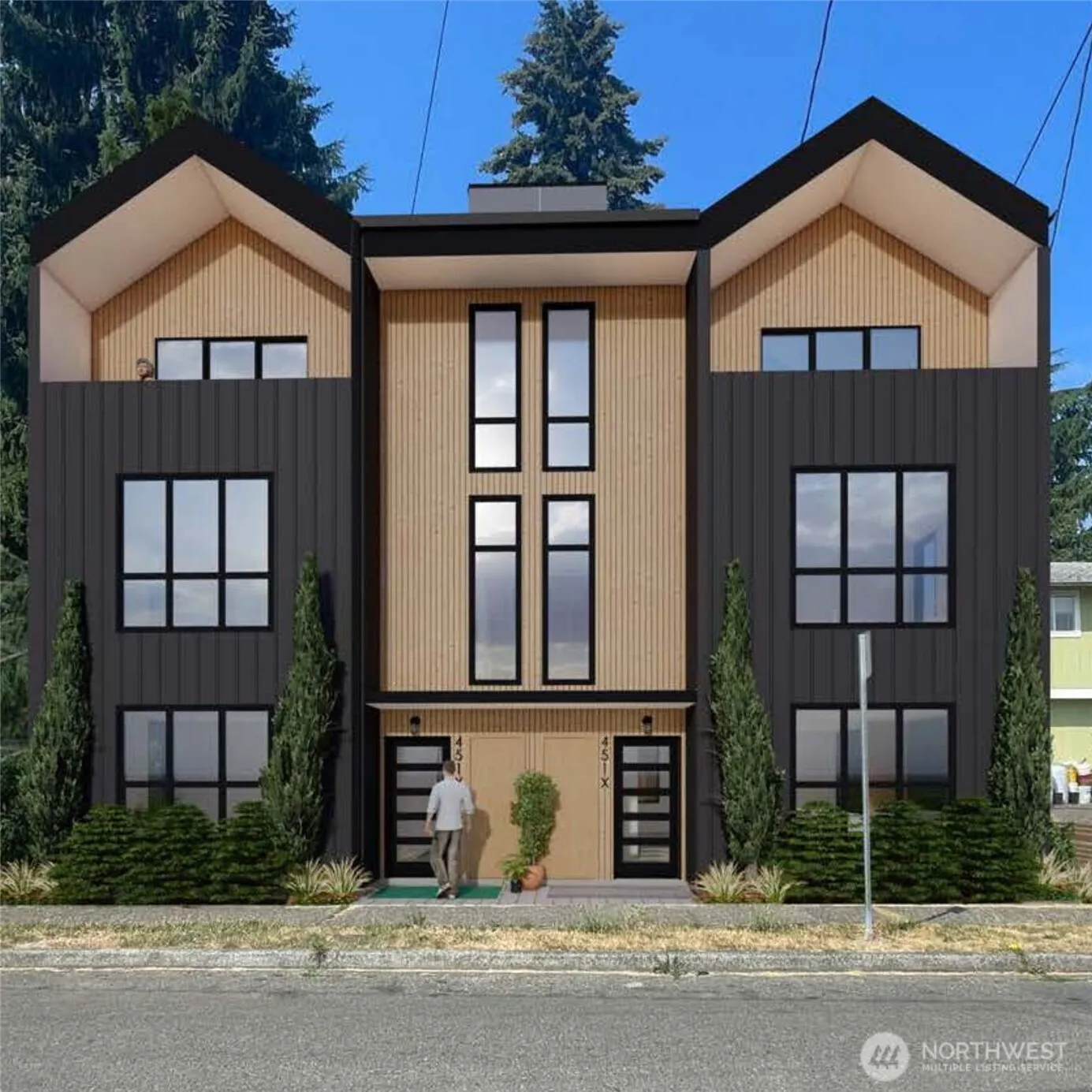
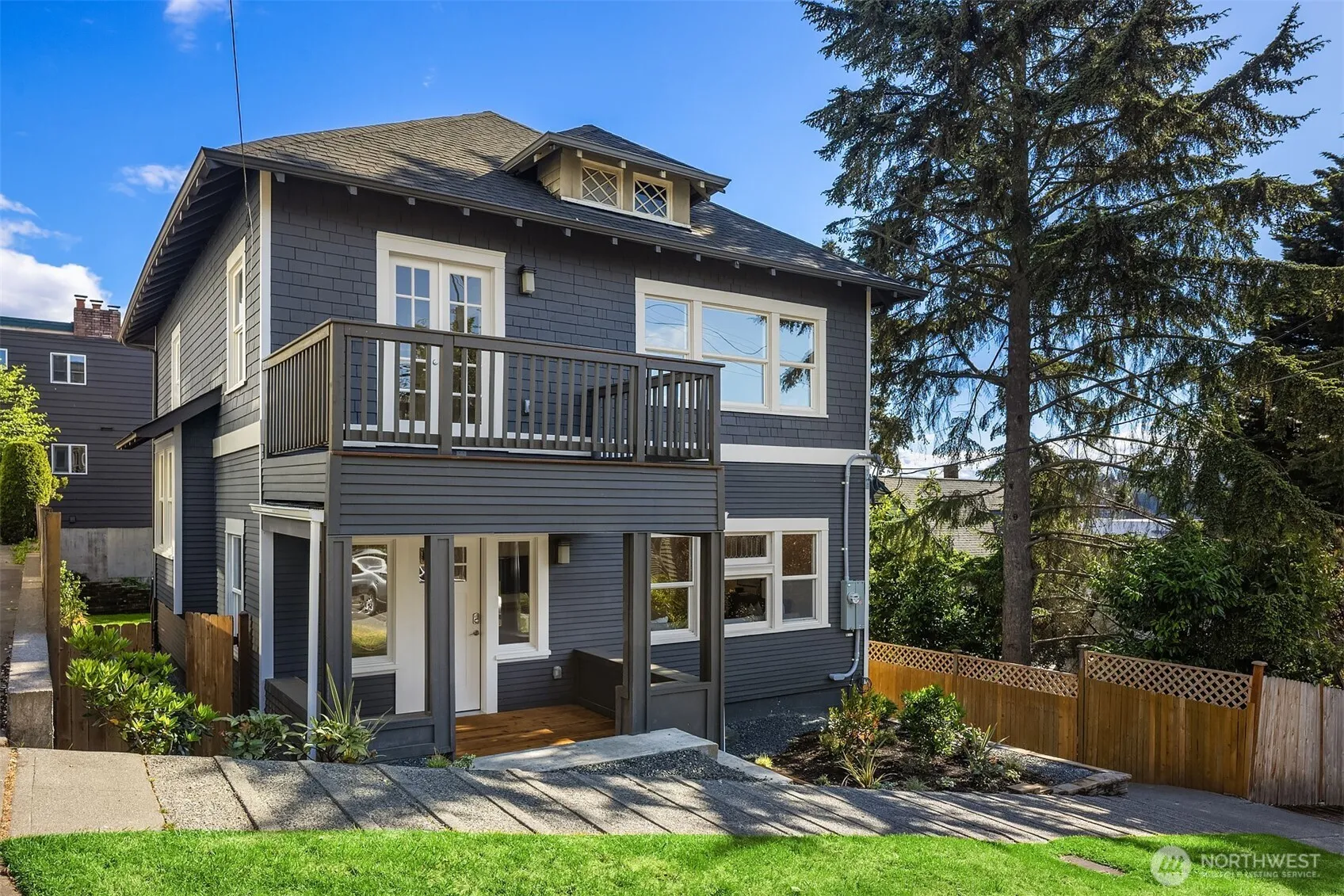
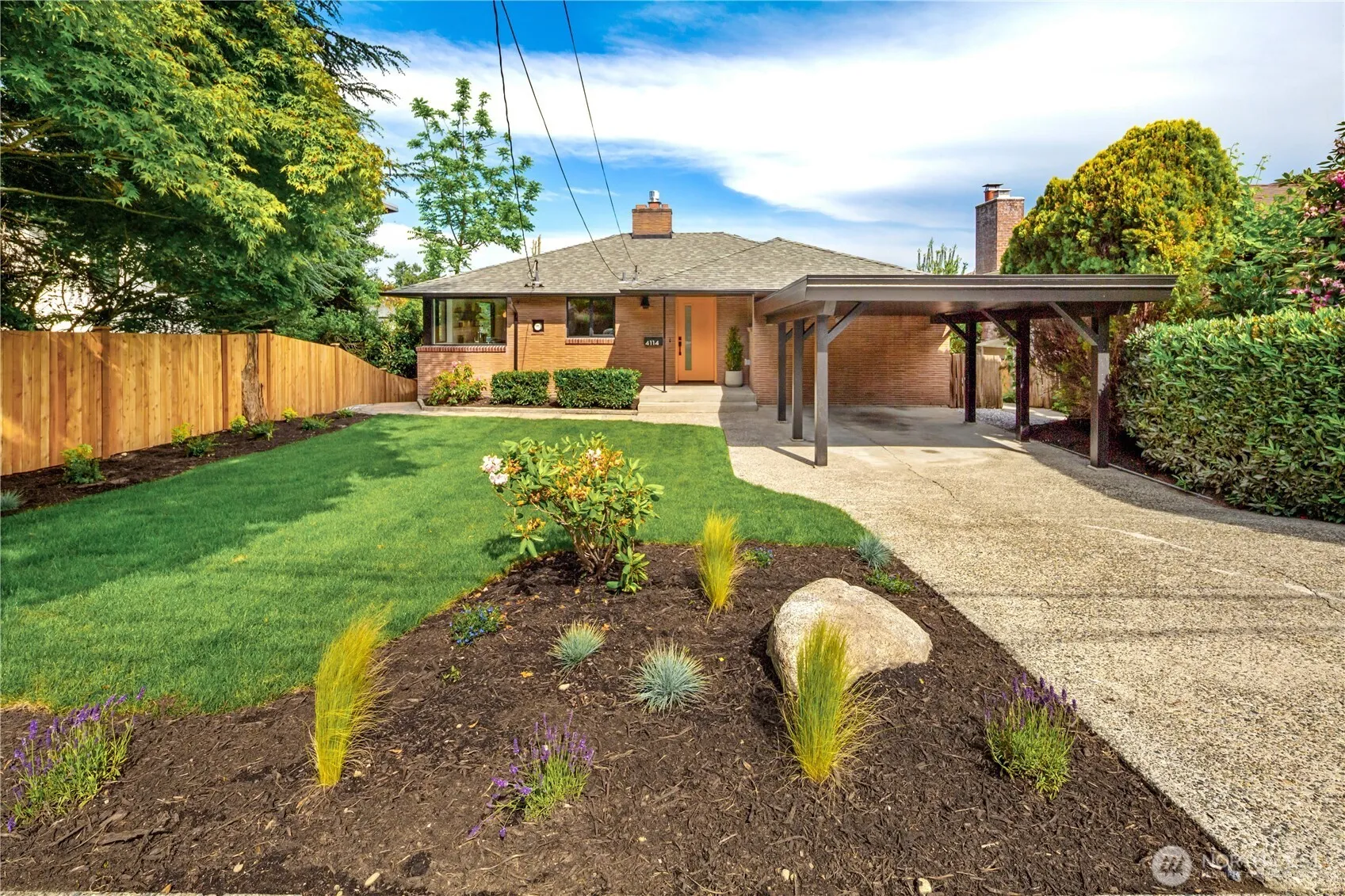
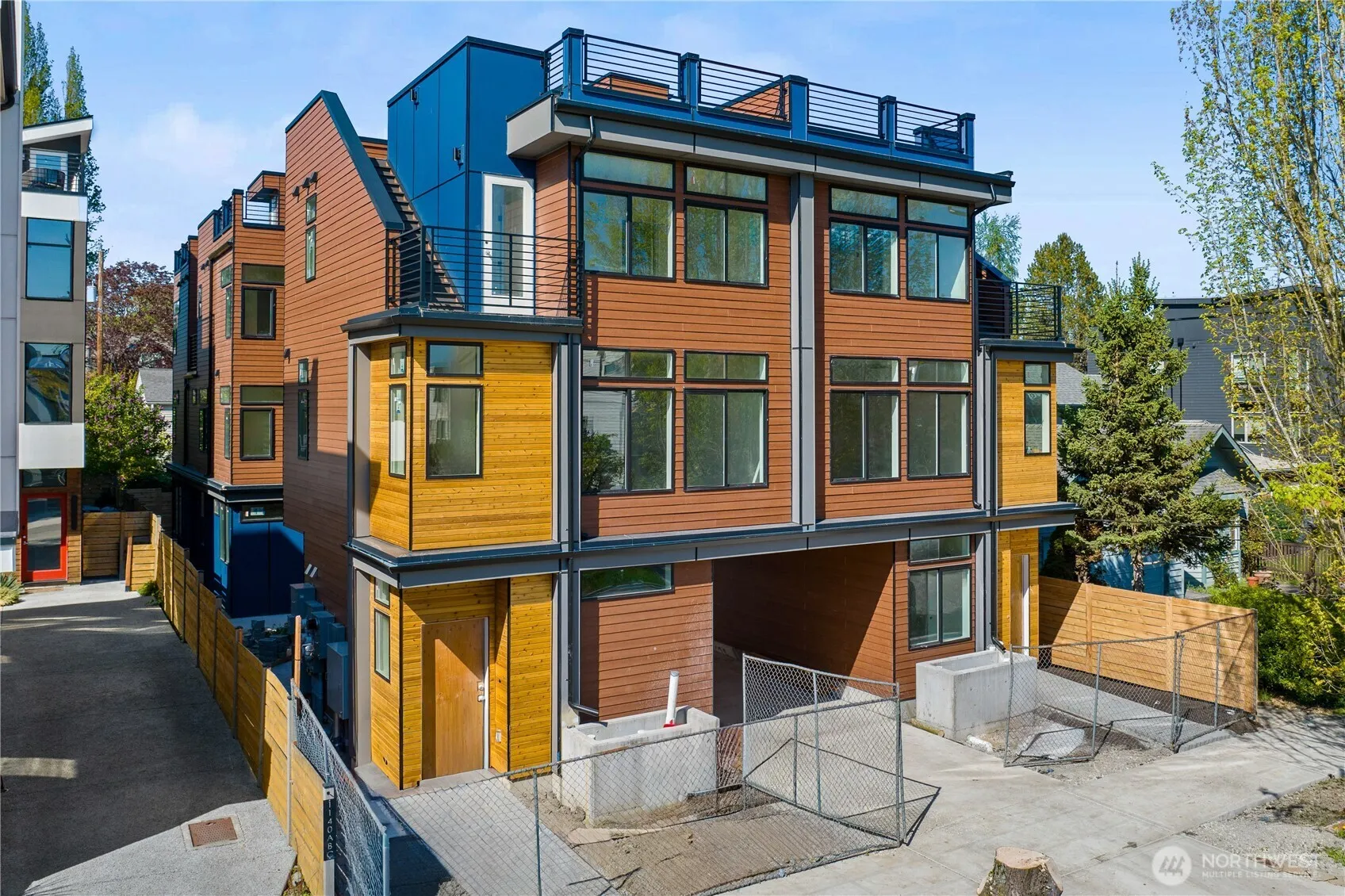
The latest active NWMLS listings in Seattle, refreshed hourly.

See all homes →

Listing data courtesy of NWMLS. Provided for the consumer's personal, non-commercial use.

Seattle buyer FAQ

Questions Seattle buyers actually ask.

What is the median home price in Seattle in 2026?

Seattle's overall median sits around $850K as of May 2026 — significantly lower than Bellevue's $1.9M, reflecting the higher condo mix and broader neighborhood range. Single-family medians vary widely by neighborhood: Madison Park and Laurelhurst push past $2.5M, while parts of Beacon Hill, Delridge, and South Park still trade under $700K. Always compare neighborhood medians, not city-wide.

Is it better to buy a condo or single-family home in Seattle?

Different buyers, different math. Condos make sense for urban-lifestyle buyers prioritizing walkability and lock-and-leave ownership — but factor HOA dues ($400–$1,500/month), special assessment risk (review the reserve study), and slower long-term appreciation. Single-family in Ballard, Queen Anne, Wallingford, or West Seattle offers more land, stronger appreciation, but higher entry price and full maintenance responsibility.

How does Link Light Rail affect Seattle home values?

Significantly — walkshed homes (10-min walk to a station) consistently command 8–15% premiums over comparable inventory further out. The 1 Line through Capitol Hill, U District, Roosevelt, Northgate, and Columbia City has the most established data; the Lynnwood extension (open) is still pricing in. Future West Seattle and Ballard extensions are already affecting forward expectations.

What income do I need to buy a home in Seattle?

Conventional underwriting at 43% DTI on an $850K median home with 20% down and a 6.75% rate generates roughly $5,400/month PITI, requiring household income around $130–$160K. A $1.4M Queen Anne or Ballard home pushes that to $210–$245K. A $500K condo with $700/mo HOA can be reached with $90–$110K household income depending on other debt.

Are Seattle Public Schools good?

Like most large urban districts, quality varies widely by school. Top SPS elementaries and high schools (Garfield, Roosevelt, Lincoln, Ballard) compete with the best in the metro; others lag significantly. Boundary assignments shift periodically, and option schools fill on different timelines. If schools drive your buy, verify assignment at the parcel level and budget for private if your assignment shifts.

What is the West Seattle Bridge status in 2026?

The West Seattle Bridge has been fully operational since 2022 after the structural emergency closure. The repair work has held up well, and the bridge is part of routine maintenance now. West Seattle home values recovered through 2023–2024 and have tracked the broader Seattle market since. Factor the historical risk into long-term planning but don't anchor to it.

How long does it take to buy a home in Seattle?

30–45 days from mutual acceptance to closing is standard for conventional financing on a single-family home; 30–60 days for condos due to HOA documentation review. Cash offers can close in 10–14 days. The full search-to-close window for a focused buyer typically runs 60–120 days in a normal market — longer if you're cross-shopping multiple neighborhoods.

What are closing costs for a Seattle home buyer?

Buyer closing costs in Washington typically run 1.5–2% of the purchase price — escrow, title insurance, lender fees, recording, prepaid taxes and insurance. On an $850K Seattle median home that's roughly $13K–$17K. Washington uses an excise tax (REET) on the seller side instead of a buyer transfer tax, which keeps buyer costs lower than in many other states.